
The History of Aviation in the UK: From Early Airshows to Modern Commercial Flights
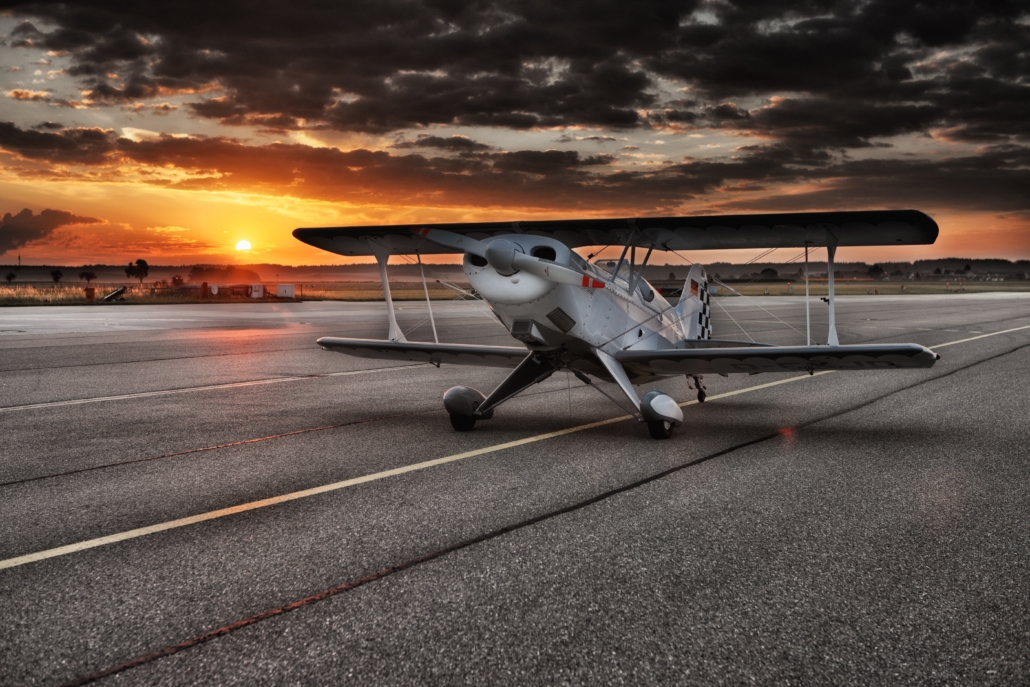
Aviation has come a long way in the UK since the days of early airshows and biplanes. Today, the UK is home to a thriving aviation industry that includes commercial airlines, military aircraft, and private planes. In this article, we’ll explore the rich history of aviation in the UK, from its early beginnings to the modern era of commercial flights.
Early Airshows and Pioneers
The first recorded aviation event in the UK took place in 1784, when Vincenzo Lunardi flew a hot air balloon from the Artillery Ground in London. However, it wasn’t until the late 19th century that aviation truly took off in the UK.
In 1908, the first airshow was held at Doncaster Racecourse, featuring demonstrations by pioneer aviators such as Louis Bleriot and the Wright brothers. These early airshows were a hit with the public and sparked a fascination with aviation that continues to this day. During this time, a number of pioneering aviators made their mark on the UK aviation scene. Among them were Amy Johnson, who became the first woman to fly solo from Britain to Australia, and Charles Lindbergh, who made the first solo transatlantic flight.
The Birth of Commercial Aviation
As aviation technology advanced, commercial air travel began to take off in the UK. In 1919, the world’s first daily international air service was established between Hounslow Heath in London and Le Bourget in Paris. This service was operated by Airco, which later became part of British Airways.
Over the next few decades, commercial aviation in the UK continued to grow, with the establishment of a number of major airlines, including British Overseas Airways Corporation (BOAC) and British European Airways (BEA). In the post-war years, these airlines played a crucial role in rebuilding the UK’s economy and connecting the country to the rest of the
world.
The Modern Era of Aviation
Today, the UK is home to a thriving aviation industry that includes major commercial airlines such as British Airways, easyJet, and Ryanair. In addition to serving as a hub for international travel, the UK is also home to a number of major airports, including Heathrow, which is one of the busiest airports in the world.
In recent years, the UK aviation industry has faced challenges, including environmental concerns and the impact of the COVID-19 pandemic. However, with the introduction of more fuel-efficient planes and a focus on sustainable practices, the industry is working to address these challenges and continue to thrive in the modern era.
Summary
The history of aviation in the UK is a fascinating one, filled with pioneering aviators, early airshows, and the birth of commercial air travel. From its humble beginnings to its modern-day status as a major player in the global aviation industry, the UK has played a significant role in the development of aviation. Today, the UK’s aviation industry continues to evolve, with a focus on sustainability and innovation as it looks towards the future.





